Peter Ettedgui’s account of the antisemitic taunts he endured as a teenager (Don’t believe Nigel Farage’s denials. He targeted me for being Jewish – and it hurt, 25 November) reminded me of a simple truth about bullying: the bullied remember far more clearly than the bullies ever do. That’s how trauma works. The moment lodges for one person, yet barely registers for the other. So yes, forgetting is plausible. But failing to apologise when you’re reminded is revealing. “Sorry” is a measure of character or, at the very least, the mark of basic human decency.
Earlier this year, I came across someone who had bullied me at school. I’d had a drop or two, so I asked if he remembered reducing me to tears. He didn’t – why would he? But he did manage: “If I did that, I’m really sorry.” And that mattered. It closed a circle I hadn’t realised was still open. A small word, offered without defensiveness, made all the difference.
This is why arguments about “banter”, memory or the passage of time ring so hollow. What matters now is whether an adult can acknowledge harm, show contrition and take responsibility. When a public figure responds instead with denial, minimisation and accusations of dishonesty, the missing “sorry” speaks volumes. We should listen to what it tells us.
Anthony Richards
London
Nigel Farage questions the memory of Peter Ettedgui regarding antisemitic and racist comments in the 1970s. I can remember exactly where I was, who I was with and what we were doing when my friend and I (both 13 and overweight at the time) were told: “You two must eat a lot of chips.” This was in 1976.
Ours was a direct grant girls’ convent. Bullying by pupils and staff was common. My memory is crystal clear, and that foul, denigrating comment has travelled with me throughout life, despite losing weight and wearing a size 10 since 1977. Sorry, Nigel Farage, but people do not forget.
Kirsty Pierce
Whaley Bridge, Derbyshire
No, Mr Farage. We do not forget upsetting events at school. I am 80, but cannot forget the insults that I got at school because of my facial appearance. They hurt then, and have shaped my life since. Like Peter Ettedgui, I have not spoken out since those days, but I am now.
Barry Neville
Wokingham, Berkshire
Nigel Farage says “I can tell you categorically that I did not say the things that have been published in the Guardian” (Three more ex-pupils at school with Nigel Farage reject ‘banter’ claims, 25 November), yet he claims that this happened so long ago that people could not possibly remember such experiences. Who is more likely to misremember these attacks: the person who thinks it’s just banter or the traumatised person on the receiving end?
Keith Mason
London
Related Posts

Nomad Coupons: 80% Off | WIRED
[ad_1] At WIRED, we recommend a bunch of Nomad accessories…
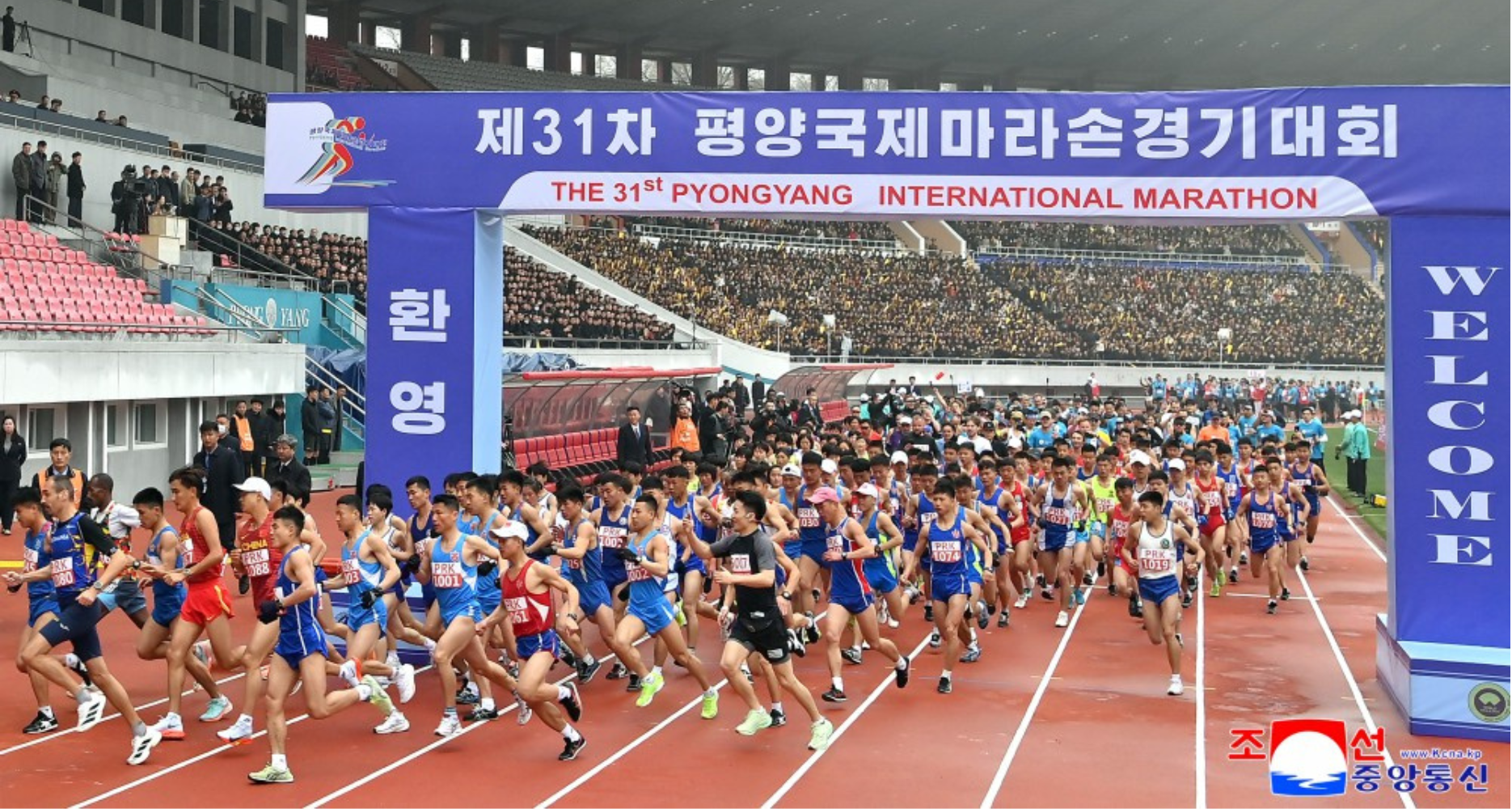
Hundreds of foreign runners to descend upon North Korea for Pyongyang marathon
[ad_1] North Korea is set to welcome international visitors for…

Japan faces Asahi beer shortage after cyber-attack
[ad_1] Japan is facing a shortage of Asahi products, including…